Latest from the workshop and the site

Three posts from the last stretch of jobs around Gauteng and the coast. Each one comes out of a real quote, a real repair or a tool that had to keep working through winter.

Tiling and finishes Power tools Damp and plaster
Tiler laying large format tiles on a bathroom floor with adhesive and spacers

Costing and quoting

Pricing a Tiling Job Without Undercutting Yourself

A costed breakdown from a Midrand bathroom refit

Most tiling quotes fall apart on the small line items: not enough adhesive for a wonky screed, no allowance for cutting waste on diagonal layouts, and travel time across Johannesburg traffic that never gets billed. This post walks through a real Midrand bathroom refit with a full material list in rand, a labour estimate based on square metres per day, and a contingency line that protects you when the substrate needs patching. It also covers how to present the quote so the client understands what changes the price, and when to walk away from a job that is priced too tight to finish properly.

Read the post
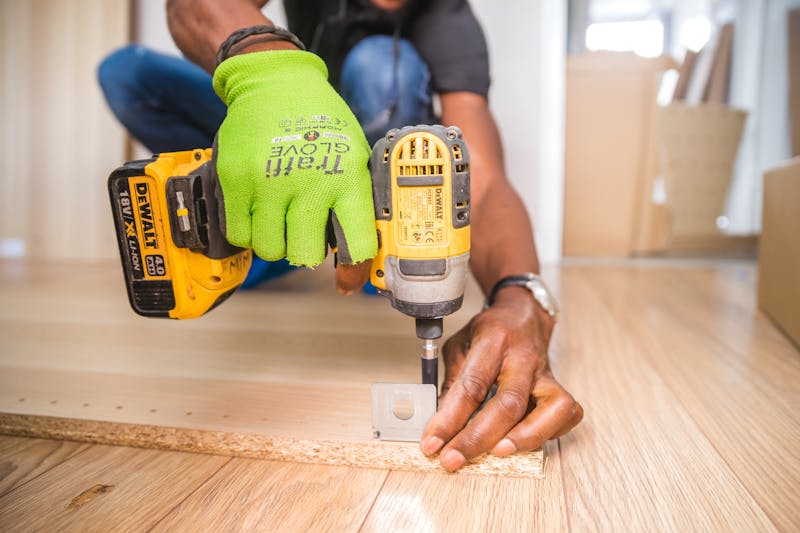

Cordless drill resting on timber offcuts in a cold workshop

Tool teardown

Which Cordless Drill Survives a Highveld Winter

Battery behaviour, torque and cold-weather reality on site

Cold mornings on the Highveld punish batteries in ways that showroom tests never capture. This teardown compares three 18V cordless drills after a full winter of decking, roof sheet fixing and workshop assembly around Gauteng. It looks at how each battery holds charge overnight in an unheated bakkie, how the chucks and gearboxes handled dust and grit, and which brushes and switches showed wear first. There are notes on torque settings for masonry versus timber, charger behaviour on load-shedding schedules, and what the repair costs looked like in rand when two of the three needed attention.

Read the post
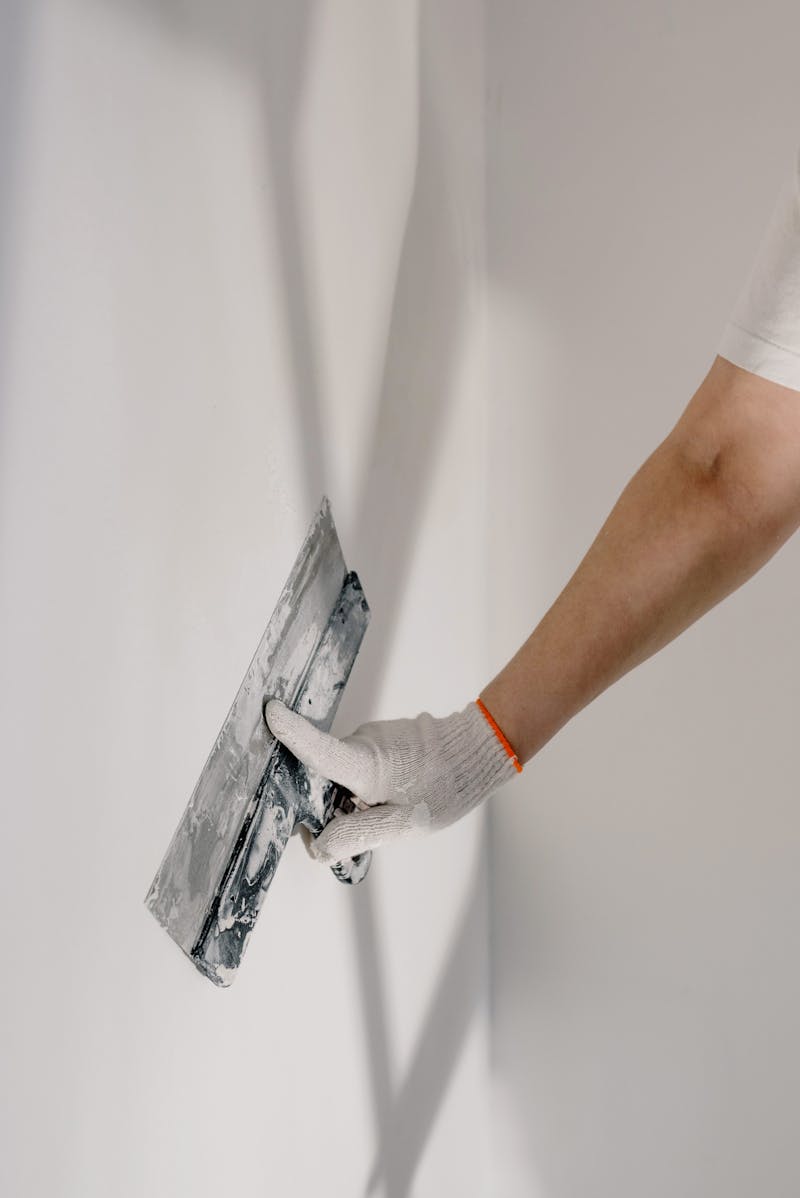
Damp patch and flaking plaster on an interior wall being inspected

Repairs and diagnosis

Fixing Damp on a Plastered Wall Before It Spreads

Reading the signs, finding the source, and repairing the plaster properly

Damp on a plastered wall is rarely just a paint problem. This post covers how to tell rising damp from a leaking downpipe or a bridged damp course, using simple moisture readings and a hose test before any repair work starts. It then walks through the repair sequence: stripping compromised plaster, treating the masonry, letting the wall dry, and reapplying a suitable render and paint system. There are notes on Durban humidity versus inland winter dryness, what a plasterer should charge per square metre, and the warning signs that a structural issue needs an engineer rather than a handyman.

Read the post

Worth reading next

Three posts that come up most often in reader mail. Each one is built from a job that actually happened, with the numbers and mistakes left in.

If you are chasing a specific problem on site, start with the one that matches your trade.

Quoting

Pricing a Tiling Job Without Undercutting Yourself

Adhesive, levelling, cutting waste and travel time across Johannesburg. A costed breakdown from a Midrand bathroom refit, including the contingency line most quotes forget.

Read the tiling breakdown

Tools

Which Cordless Drill Survives a Highveld Winter

Three 18V drills after a winter of decking, roof sheets and workshop assembly. Battery behaviour in a cold bakkie, chuck wear, and what repairs cost in rand.

See the winter teardown

Repairs

Fixing Damp on a Plastered Wall Before It Spreads

Why painting over damp fails, how to tell rising damp from a leaking downpipe, and the repair sequence that holds: strip, treat, dry, render. Notes on Durban humidity against inland winter dryness, and when to call an engineer instead of a handyman.

Read the damp repair guide
Cookie settings

We use cookies to keep the site reliable, remember basic choices, and understand which pages are useful. You can accept, reject, or review the settings before continuing.